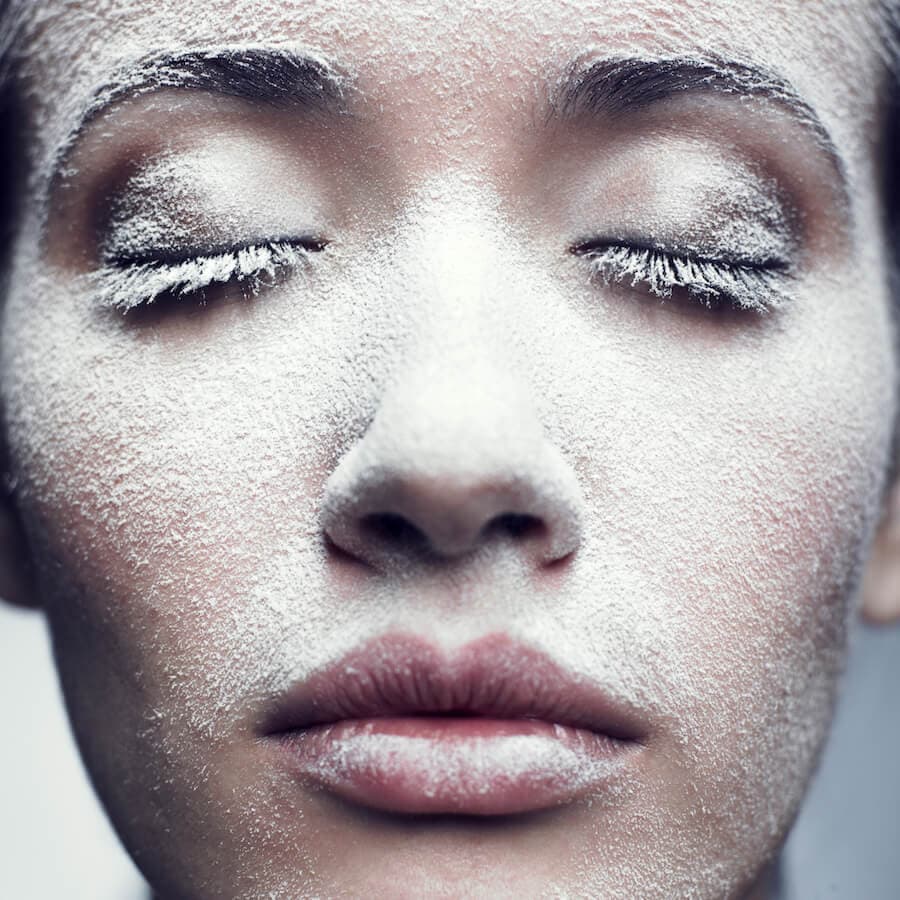
Controlled exfoliation that lifts away the clogged, damaged surface layers where acne and its marks live.
Chemical peels
If your acne makes you want to hide, harsh scrubs and drying masks are not the answer. Here is how the practice clears congested pores, calms active breakouts, and works on the marks they leave behind.
Acne starts in the pore. When pores become clogged with oil, dead skin, bacteria, dirt and other debris, breakouts can appear quickly. Dead skin tends to pile up with poor diet, stress, and the lack of a proper skin routine, and certain medications, including corticosteroids, testosterone and lithium, can increase breakouts and excess sebum production through hormonal changes.
That is why the treatments here work on the pore rather than the pimple. Each one clears the oil, debris and dead cells that feed breakouts, calms the inflammation of active ones, or resurfaces the marks and scars older acne left behind. Which of those your skin needs most is what the consultation sorts out.

Sound familiar?
Book a consult
The exfoliating treatments do the housekeeping. Chemical peels are controlled exfoliation: a medical-grade solution lifts away the outermost layers of skin so fresher skin takes their place, which is exactly the territory acne, post-acne marks and enlarged pores live in. The VI Peel Precision is the deeper of the two on the menu, a medium-depth formula whose salicylic component is aimed squarely at breakouts and residual marks, treating both fronts at once. Microdermabrasion takes the mechanical route instead, gently sanding away the thick outer layer of skin and unclogging pores as it exfoliates, which helps active acne as well as the scarring it leaves behind.
For skin that breaks out but cannot spare recovery time, the HydraFacial loosens the debris hidden in pores with a salicylic and glycolic acid blend, then extracts it with painless suction rather than squeezing, so the deep clean happens without leaving skin red and angry. The serums infused afterwards are chosen for your skin, including anti-bacterial and calming options for breakout-prone complexions.
The microneedling treatments carry the scar side of the problem. RejuvaPen uses a cartridge of nine microneedles to break up the tethering that holds an acne scar's indentation down, so the skin can repair itself and sit smoother. Fractional RF microneedling on the Fraxis Duo goes further, pairing a fractional CO2 laser at the surface with radiofrequency delivered deep into the dermis, stimulating the collagen that softens acne scarring and refines texture from underneath.

Downtime is the first honest sorting question. A HydraFacial and microdermabrasion ask for essentially none; the VI Peel trades three to seven days of visible peeling for a bigger single-visit change; RejuvaPen runs red for about 48 hours, which is why the practice suggests a Friday appointment. Most acne treatments here involve minimal downtime overall, with any redness or swelling typically settling within a few hours to a day.
Rhythm is the second. The clearing treatments work best as habits: a HydraFacial about every four weeks and a monthly microdermabrasion keep pores ahead of the congestion that feeds breakouts, while peels and microneedling build their results over a planned series. How many sessions your skin needs depends on the severity of the acne and the treatment chosen, which is exactly what the personalized plan settles. If you are also weighing what to do about older scarring, are chemical peels good for acne and how a HydraFacial helps acne-prone skin are useful background reading.
All of these treatments are designed to be safe and effective across skin types, with each one tailored to your skin's specific needs. At the consultation, Dr. Heil's team looks at whether your acne is active, scarred or both, then matches the treatment, and the cadence, to what your skin is actually doing.
Listed in the order we most often recommend them. Your consultation decides which actually fits your skin, goals, and downtime.
Controlled exfoliation that lifts away the clogged, damaged surface layers where acne and its marks live.
Chemical peels
The medium-depth peel whose salicylic formula treats active breakouts and residual marks at once.
VI Peel Precision
The practice's go-to for indented acne scars, breaking up the tethering that holds them down.
RejuvaPen microneedling
CO2 laser and deep radiofrequency in one session, softening acne scarring by rebuilding collagen underneath.
RF microneedling
A quick, virtually pain-free exfoliation that unclogs pores with little or no downtime.
Microdermabrasion
Painless suction extractions plus calming serums: the deep clean for breakout-prone skin with zero downtime.
HydraFacialThis page is general information, not medical advice. Which treatment fits your skin and history is a clinical decision made at a consultation with our providers.