
The non-surgical facelift: RF energy through superfine needles rebuilds collagen and tightens elastin in the deep dermis.
RF microneedling
Sagging is not a surface problem; it is the layer underneath losing the collagen and elastin that hold everything taut. Here is how our energy-based treatments persuade that layer to rebuild, without an incision.
Skin stays firm as long as it makes collagen faster than it loses it. Age, sun and years of expression reverse that balance: elastin fibers slacken, skin density drops, and the jawline, cheeks and neck begin to drift. The result reads as drooping even when the surface of the skin itself is still in good condition.
Skin tightening has become one of the most requested categories in aesthetics precisely because it offers a nonsurgical alternative to more invasive lifting procedures. Every treatment on this page works the same underlying trade: deliver controlled energy into the dermis, trigger the skin's own repair response, and let new collagen and elastin do the firming. What differs is how the energy gets there and how much recovery it costs.

Sound familiar?
Book a consult
Fractional RF microneedling is the treatment the practice's own copy calls a non-surgical facelift. Superfine needles carry radiofrequency energy directly into the deeper layers of the dermis, stimulating the fibroblasts that build collagen and tightening elastin fibers, while a paired fractional CO2 laser works the surface in the same session. The result over a series is skin that is measurably thicker, tighter and firmer, with depth and intensity determined by your provider rather than a preset.
The lasers reach the same layer with light. HALO fires an ablative and a non-ablative wavelength in one pass, so collagen remodels in the dermis while the surface renews above it, a genuine change in skin quality from a single appointment. CO2 laser resurfacing vaporizes damaged skin in microscopic columns so the healing response lays down fresh collagen; it is the deepest tool in the set, and depth is chosen region by region.
Laser Genesis takes the opposite approach: it warms the upper dermis without breaking the surface at all, prompting new collagen that tightens texture gradually over a course. Nothing is ablated, so there is genuinely nothing to recover from, which makes it the entry point for early laxity or for anyone who cannot look treated.
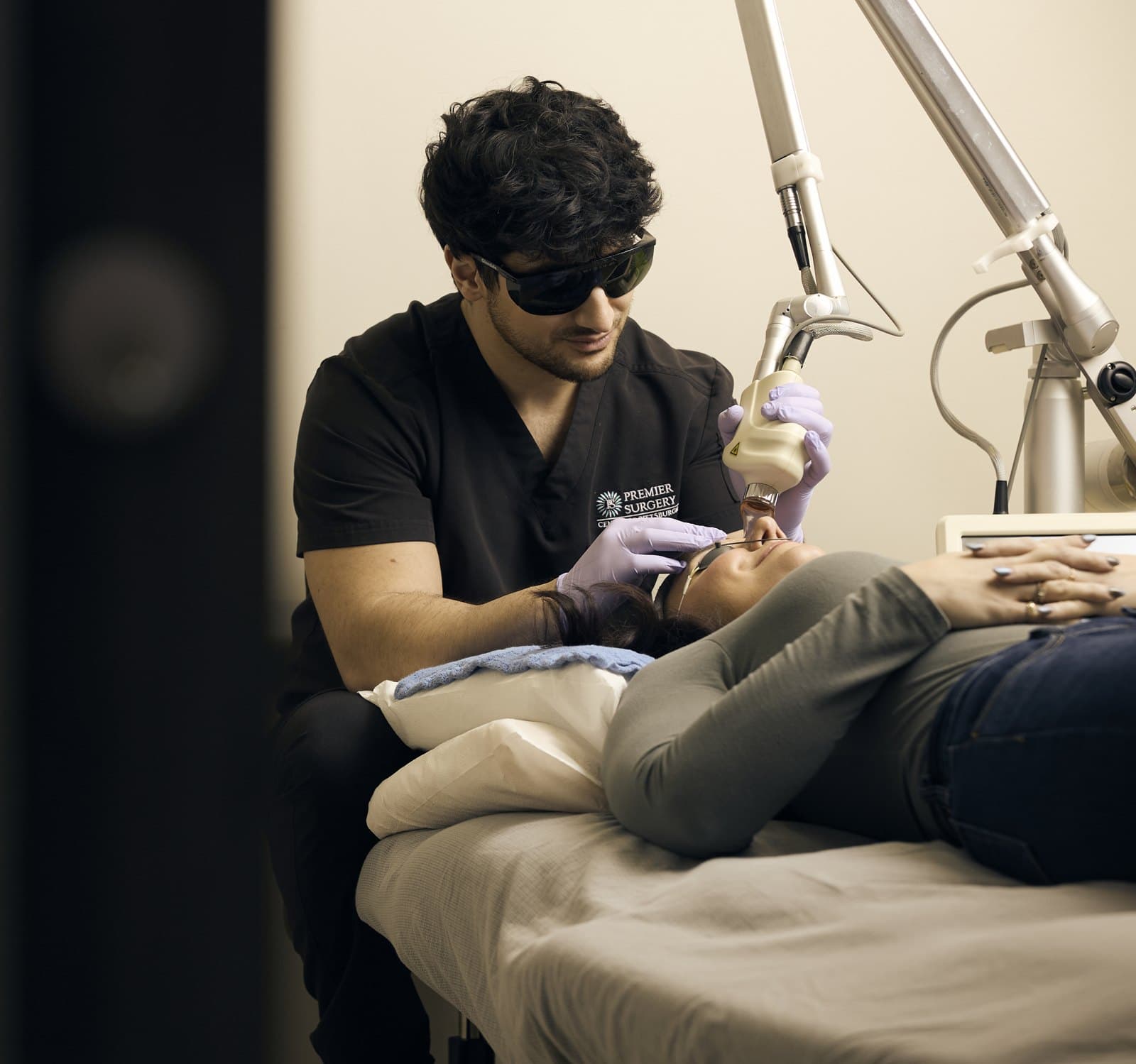
The honest axis here is how much recovery you can give the result. Laser Genesis costs none: mild pinkness for under an hour, with the change built cumulatively across several sessions. RF microneedling sits in the middle, with initial improvement at about two weeks and full results at four to six weeks as the new collagen builds; an ideal plan may run three to five treatments. HALO and CO2 resurfacing do the most in a single visit and ask for days of redness, bronzing and shedding in exchange.
Degree of laxity matters as much as calendar. Early, mild drooping responds well to the gentler cumulative treatments, and starting early with maintenance does the most to slow the slide. More established sagging along the jaw and neck points toward RF microneedling or a deeper laser, and none of these reposition skin the way surgery does: they firm it from within, which is why results build over weeks rather than arriving all at once.
The consultation is where the choice actually gets made. Your provider assesses where the laxity lives, how your skin heals and what your schedule allows, then matches the energy to it. If you are weighing the whole surgical question, our guide to looking younger without surgery is a good place to start, and what microneedling can do covers the needle side in more depth.
Listed in the order we most often recommend them. Your consultation decides which actually fits your skin, goals, and downtime.
The non-surgical facelift: RF energy through superfine needles rebuilds collagen and tightens elastin in the deep dermis.
RF microneedling
Two wavelengths in one pass: deep collagen remodelling and surface renewal from a single appointment.
HALO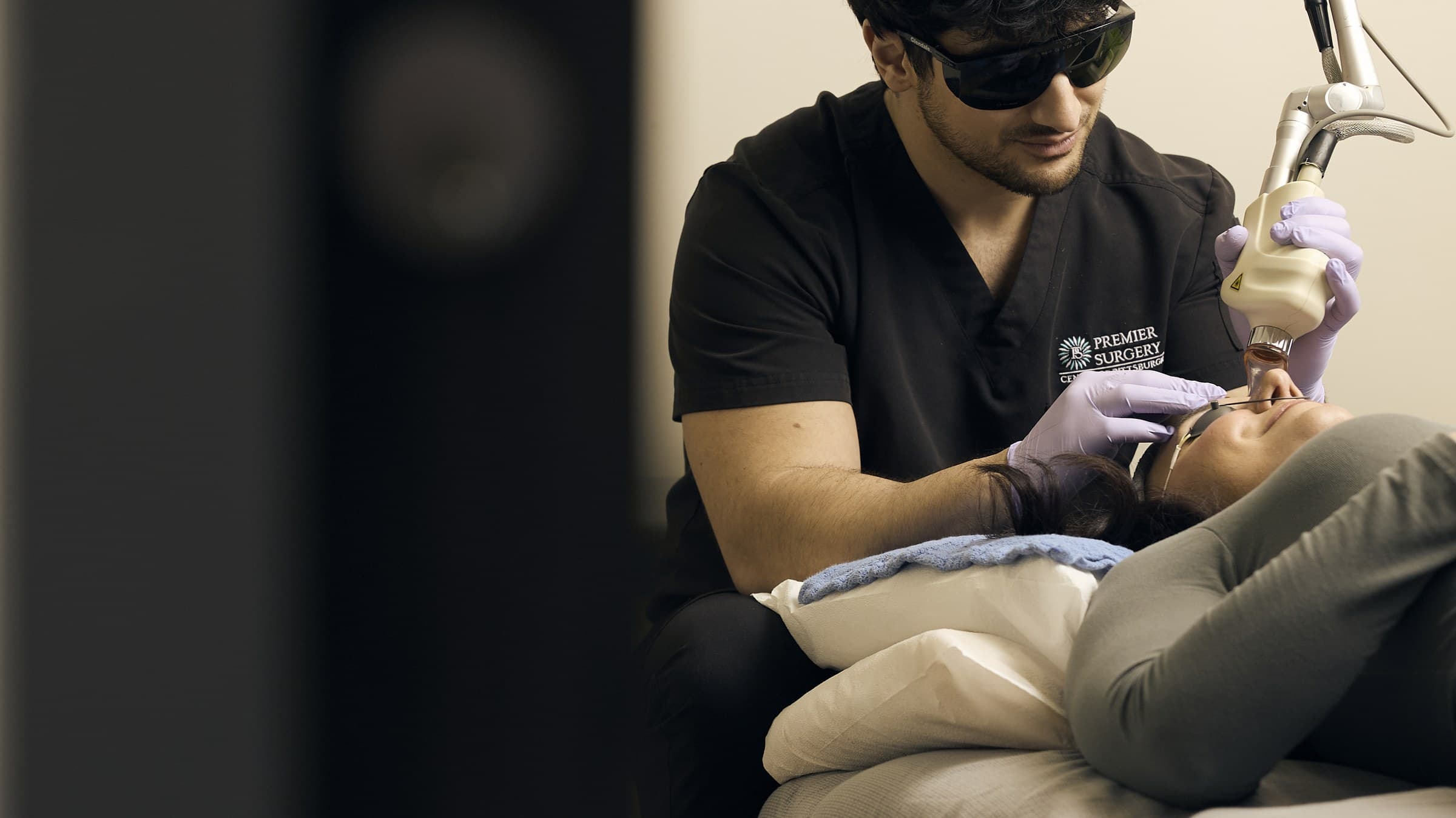
The deepest option: damaged layers removed so fresh collagen rebuilds firmer skin beneath.
CO2 laser resurfacing
The no-downtime route: gentle heat that builds collagen over a course, with nothing to recover from.
Laser GenesisThis page is general information, not medical advice. Which treatment fits your skin and history is a clinical decision made at a consultation with our providers.