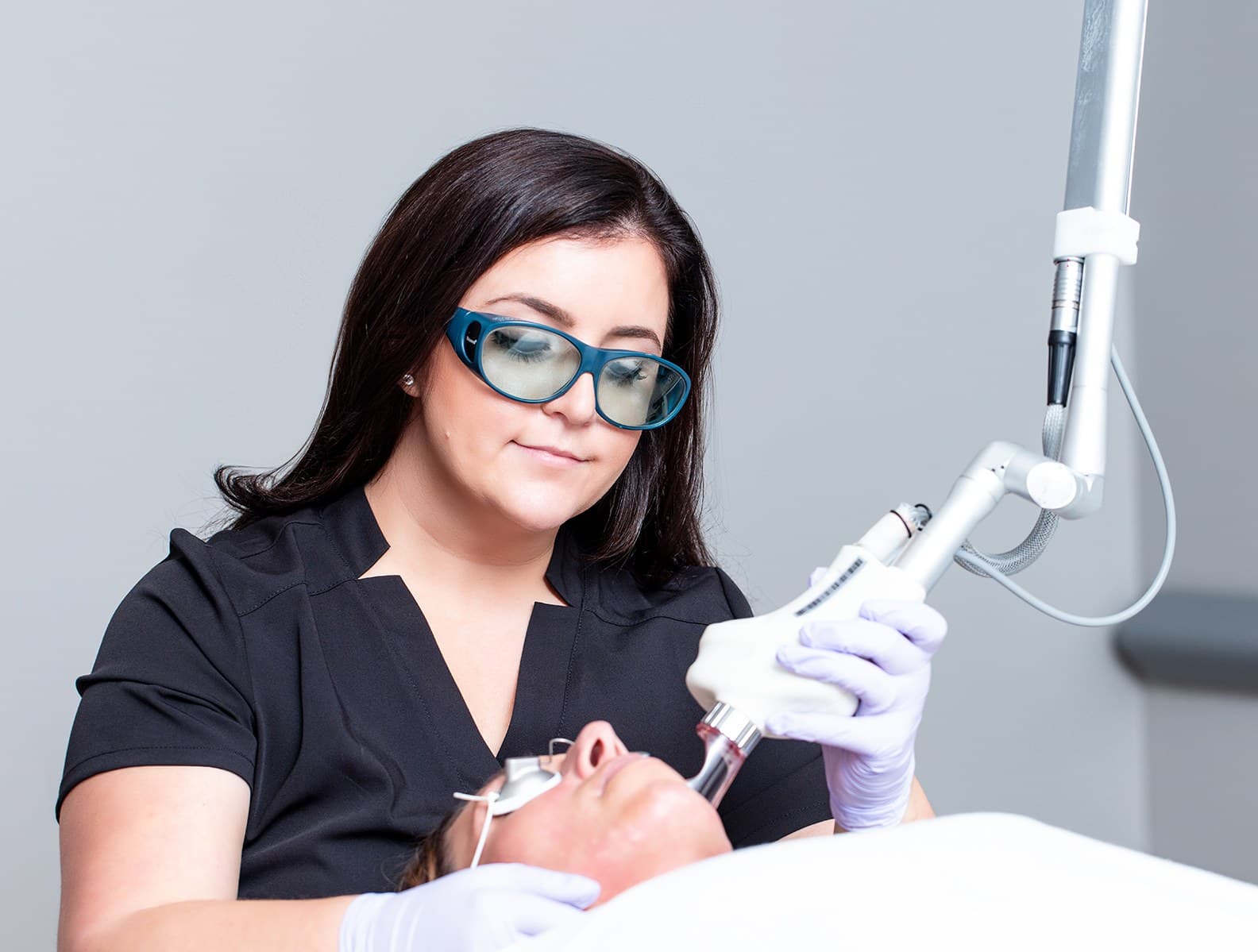
The widest net: one light treatment for sun spots, freckling, redness, blotchiness and hyperpigmentation at once.
Intense pulsed light
Spots and uneven color are among the most common complaints skin collects, and among the most treatable. Here is where the pigment comes from, and how light, lasers and peels take it back out.
Age spots, sometimes called liver spots, are the work of overactive pigment cells. After years of sun exposure, melanin can clump or be overproduced in high concentrations, and the excess settles into the flat brown marks that show up first on the face, chest and hands. Dark spots can also follow medications, pregnancy or liver conditions, which is one reason a medical assessment comes before any treatment.
Broader discoloration has a longer list of causes: pigmentation conditions like melasma, redness disorders like rosacea, discolored scarring, or simply blotchy, uneven tone. A few causes of discolored patches are medical rather than cosmetic, so anything new, changing or undiagnosed belongs with a physician first. For the sun-made and age-made majority, the treatments below cover everything from a single stubborn spot to a whole uneven complexion.

Sound familiar?
Book a consult
The light-based treatments work on contrast. Intense pulsed light delivers a filtered band of light that passes through clear skin and is absorbed by anything darker or redder than its surroundings: age and sun spots, unwanted freckles, broken capillaries, discolored scarring, blotchiness and hyperpigmentation all make the list. The target heats, breaks down, and is cleared by the body over the days that follow. BBL Hero is the current generation of the same broadband light platform, fast enough to treat a chest, back or arms rather than a face alone, with treated spots darkening briefly before they flake away.
For pigment that light has not cleared, PicoWay Resolve works mechanically instead of thermally. Pulses lasting a trillionth of a second shatter pigment into particles small enough for the body to carry away, with far less heat spreading into surrounding skin, which leaves the surface intact and widens which skin tones can safely be treated.
The resurfacing side removes the discolored layers outright. Chemical peels dissolve the outermost skin so fresher, more even skin replaces it; the menu runs from a peel with no visible shedding to a deeper one that trades a week of peeling for a bigger single-visit change. Microdermabrasion gently sands away the thick outer layer, improving hyperpigmentation, sun spots, melasma and dull, uneven tone with very little downtime. And CO2 laser resurfacing is the strongest option, vaporizing damaged skin in microscopic columns to improve uneven pigmentation and sun damage while fresh collagen rebuilds beneath.

The first question is what kind of mark you are treating. Scattered sun damage across a whole face or chest is light's territory: IPL and BBL clear it broadly, usually over a short series, then occasional maintenance keeps ahead of what the sun adds back. A defined dark spot or patch that has resisted lighter treatment points to PicoWay's shattering approach. Texture problems that travel with the pigment, roughness, dullness, large pores, argue for a peel, microdermabrasion or resurfacing, which renew the surface itself rather than targeting color alone.
Downtime sorts the rest. Microdermabrasion and PicoWay carry effectively none; light treatments mean a few days of darkened spots flaking away; peels range from no visible shedding to about a week; CO2 resurfacing asks for about a week of healing. Two cautions apply across the board: light-based treatment is scheduled away from sun exposure in both directions, because a tan changes the contrast the device relies on, and daily SPF afterwards is part of every plan, since the sun that made the spots will happily remake them.
The consultation is where your provider reads which pigment you have, how your skin tone handles each energy, and how many sessions a realistic plan needs. If you want to go deeper first, our guide to hyperpigmentation treatments compares the options, and dark spot removal with PicoWay covers the picosecond side.
Listed in the order we most often recommend them. Your consultation decides which actually fits your skin, goals, and downtime.
The widest net: one light treatment for sun spots, freckling, redness, blotchiness and hyperpigmentation at once.
Intense pulsed light
The current broadband light platform, fast enough to clear sun damage across a chest, back or arms, not just a face.
BBL Hero
Controlled exfoliation that lifts away discolored surface layers, from a no-peel formula to a deeper single-visit change.
Chemical peels
A gentle surface polish for hyperpigmentation, sun spots and dull tone, with very little downtime.
Microdermabrasion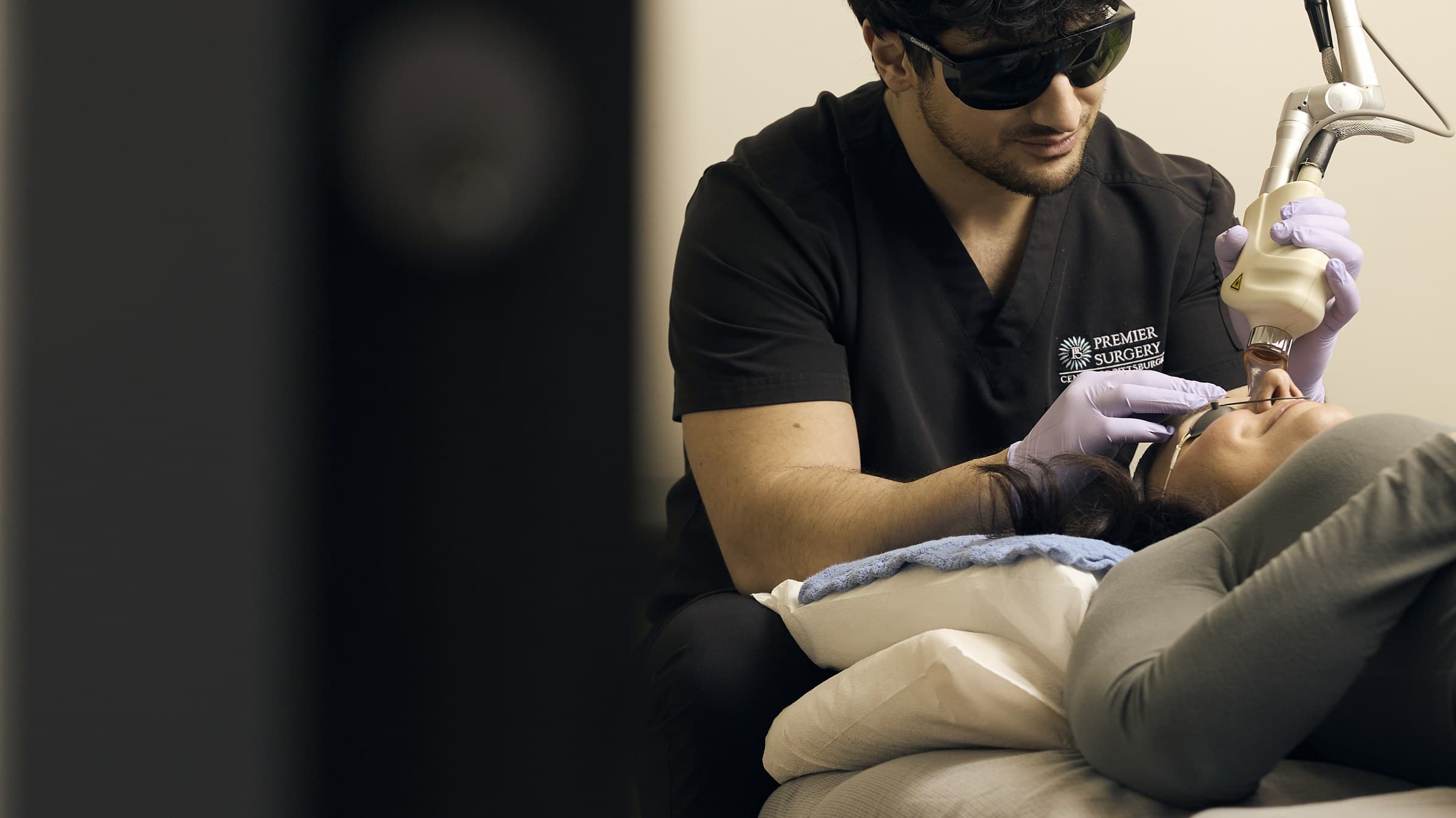
The strongest correction for uneven pigmentation and sun damage, removing the layers that carry it.
CO2 laser resurfacingPicosecond pulses that shatter stubborn pigment mechanically, safe for more skin tones and with the surface left intact.
PicoWay ResolveThis page is general information, not medical advice. Which treatment fits your skin and history is a clinical decision made at a consultation with our providers.